How to Create an Accurate Electrical Panel BOM Without Missing Components
A practical guide to building a complete, accurate electrical panel BOM — the common mistakes, component checklists, AI-assisted generation, and best practices that stop parts from slipping through.
An Electrical Panel BOM (Bill of Materials) is the foundation of every successful electrical panel project. Whether you're designing a PCC Panel, MCC Panel, APFC Panel, PLC Panel, or VFD Panel, a complete and accurate BOM ensures smooth procurement, efficient manufacturing, and precise customer quotations. Modern Panel Board Estimation Software, Electrical Panel Estimation Software, and AI SLD to BOM solutions help engineers automate BOM creation, reduce manual errors, and prepare professional quotations faster. In this guide, you'll learn how to create an accurate Electrical Panel BOM, avoid common mistakes, and improve your estimation process using modern engineering tools.
What Is an Electrical Panel BOM?
A Bill of Materials (BOM) is a structured document that lists every component required to manufacture an electrical panel. It acts as the connection between design, procurement, production, and quality control.
A complete BOM typically includes:
- Component Name
- Manufacturer
- Part Number
- Description
- Current Rating
- Voltage Rating
- Quantity
- Unit of Measurement
- Unit Price
- Total Cost
- Remarks
Without an accurate BOM, procurement delays, incorrect quotations, and manufacturing errors become much more likely.
Why an Accurate BOM Is Important
Many panel builders focus on panel design but underestimate the importance of a well-prepared Bill of Materials.
A precise BOM helps you:
- Purchase the correct components.
- Generate accurate customer quotations.
- Reduce material wastage.
- Improve inventory planning.
- Prevent manufacturing delays.
- Maintain project profitability.
- Standardize engineering documentation.
A missing relay or incorrect circuit breaker rating may seem minor during estimation, but it can significantly impact project delivery.
Common Mistakes That Lead to Missing Components
Even experienced engineers can make mistakes when preparing a BOM manually.
Some common issues include:
Missing Accessories
Essential accessories such as auxiliary contacts, shunt trips, terminal markers, cable glands, DIN rails, and mounting hardware are often forgotten.
Incorrect Quantity Calculations
Duplicate or incorrect quantities increase procurement costs and create inventory issues.
Wrong Component Ratings
Selecting an incorrect current rating or voltage rating can affect safety and compliance.
Outdated Part Numbers
Manufacturers frequently update product ranges. Using obsolete part numbers can delay procurement.
Manual Copy-and-Paste Errors
Working across multiple spreadsheets often results in duplicate items or missing entries.
Start with a Clear Single Line Diagram (SLD)
The quality of your BOM depends on the quality of your design documentation.
Before creating a BOM, ensure your Single Line Diagram clearly shows:
- Incoming feeders
- Outgoing feeders
- Protection devices
- Metering equipment
- Busbars
- Control circuits
- Cable connections
Well-structured drawings reduce ambiguity and improve estimation accuracy.
Create a Standard Component Checklist
Professional panel builders use standardized checklists to avoid missing items.
A typical checklist includes:
Protection Devices
- ACB
- MCCB
- MCB
- Fuse Switches
Control Components
- Contactors
- Overload Relays
- Timers
- PLC Modules
- SMPS
Metering Equipment
- Energy Meters
- Ammeters
- Voltmeters
- Multifunction Meters
- CTs
- PTs
Indication & Control
- Push Buttons
- Selector Switches
- Indicating Lamps
- Buzzers
Panel Accessories
- Terminal Blocks
- DIN Rails
- Cable Ducts
- Cable Glands
- Ferrules
- Labels
- Wiring Accessories
Using a checklist helps ensure no essential component is overlooked.
Use AI to Generate the Initial BOM
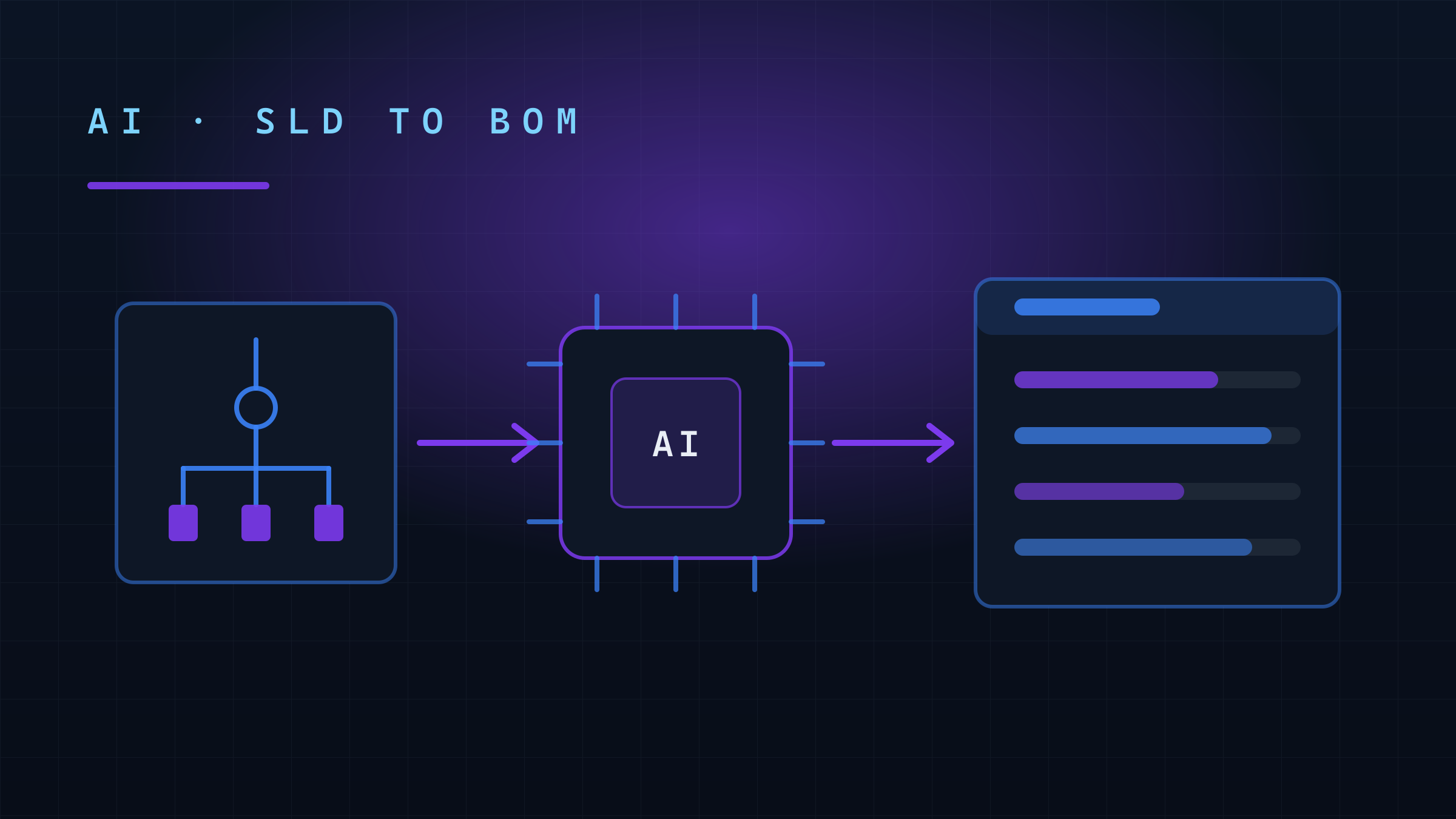
Modern AI SLD to BOM technology can automatically identify components from a Single Line Diagram and generate a structured Bill of Materials.
AI assists engineers by:
- Detecting electrical symbols.
- Identifying panel components.
- Suggesting quantities.
- Organizing BOM data.
- Reducing repetitive manual work.
The generated BOM should always be reviewed by an engineer before procurement or quotation.
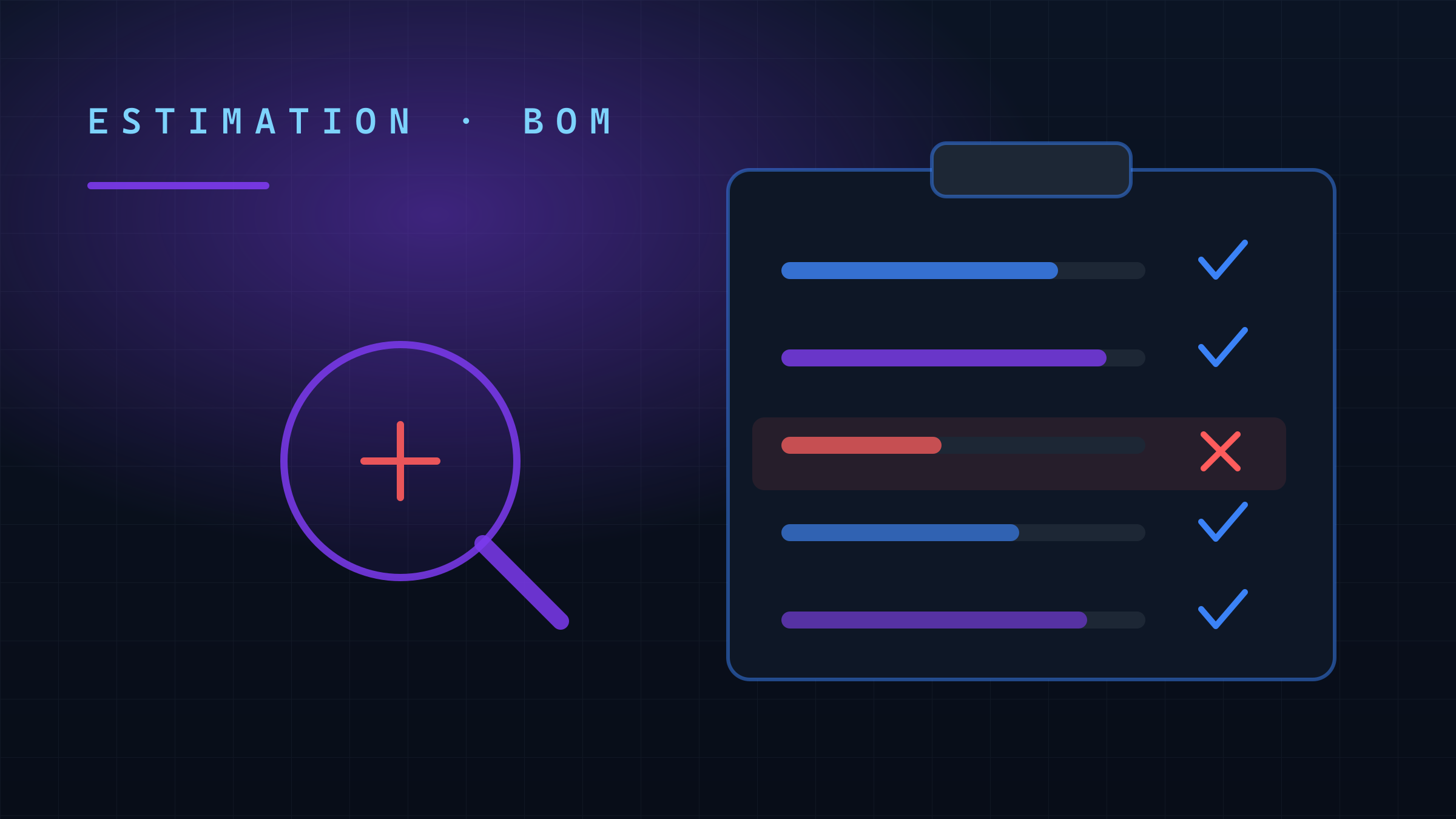
Verify Every Component Before Finalizing
Never send a BOM directly to procurement without validation.
Review:
- Component ratings
- Number of poles
- Quantity
- Manufacturer
- Accessories
- Optional items
- Customer specifications
A simple review process can prevent expensive mistakes later in the project.
Keep Your Component Library Updated
Using outdated product information can lead to procurement delays.
Maintain a centralized component library that includes:
- Latest manufacturer part numbers
- Current ratings
- Product specifications
- Updated pricing
- Approved alternatives
This helps engineers prepare consistent and reliable Bills of Materials.
Standardize Your BOM Format
Using a consistent format across every project makes it easier for engineering, procurement, and production teams to work together.
Include columns such as:
| Field | Example |
|---|---|
| Item No. | 1 |
| Component | MCCB |
| Manufacturer | ABB |
| Rating | 250A |
| Quantity | 2 |
| Part Number | XXXXX |
| Remarks | Incoming Feeder |
A standardized format also simplifies project reviews and future revisions.
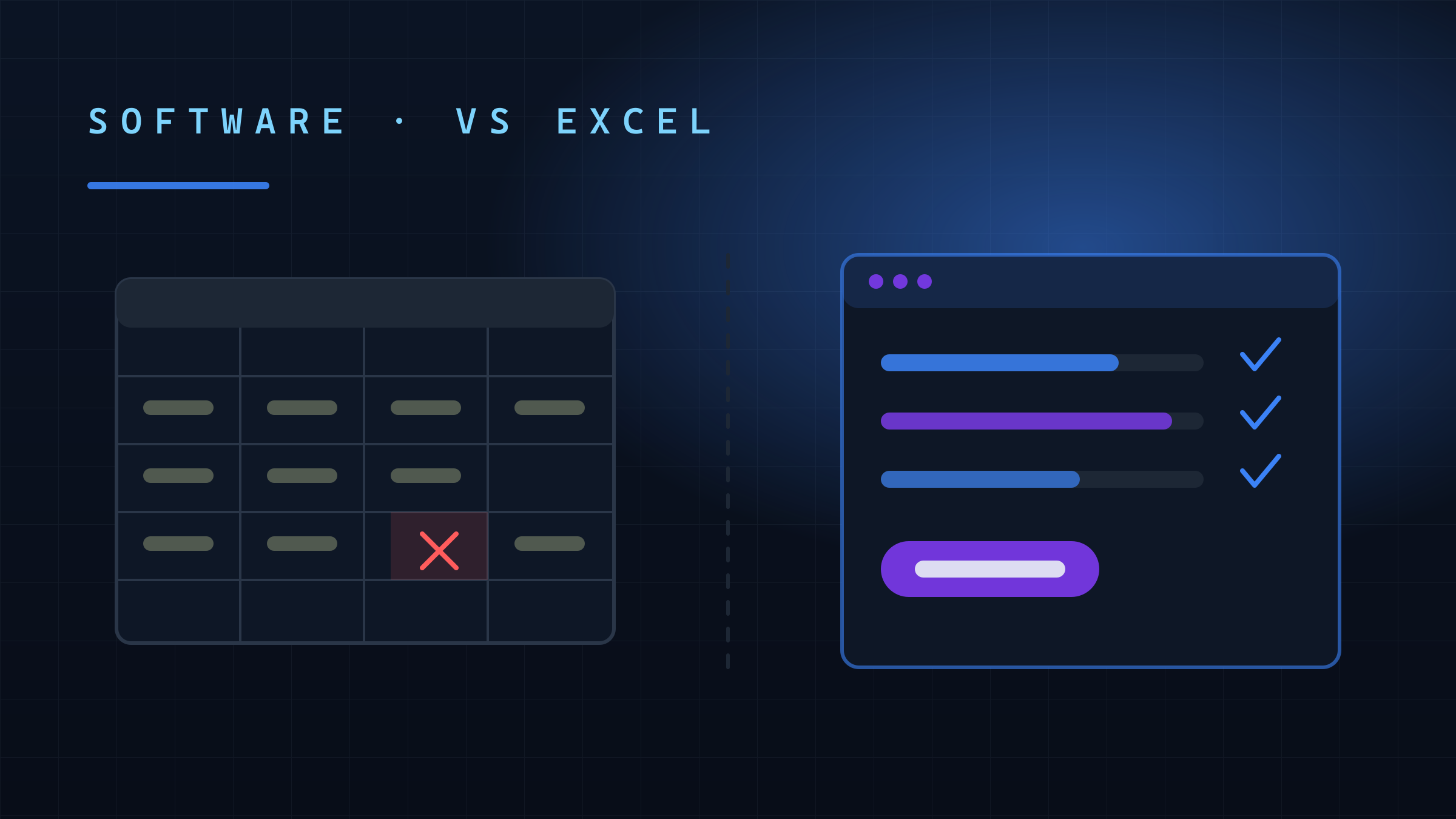
Manual BOM vs AI-Assisted BOM
| Manual BOM | AI-Assisted BOM |
|---|---|
| Manual component identification | Automatic symbol recognition |
| Spreadsheet calculations | Structured digital workflow |
| Higher risk of missing items | Improved consistency |
| Manual quantity verification | Automated extraction |
| Time-consuming | Faster preparation |
| Difficult revisions | Easy updates |
AI doesn't replace engineering judgment—it reduces repetitive tasks and improves efficiency.
Best Practices for Accurate BOM Preparation
To improve the quality of every Bill of Materials:
- Use standardized SLD templates.
- Follow a consistent naming convention.
- Review component ratings carefully.
- Verify accessories are included.
- Keep manufacturer data updated.
- Validate AI-generated BOMs.
- Store previous BOMs for future reference.
- Integrate BOM generation with quotation software.
- Use revision control for every project.
These practices help reduce errors and improve project consistency.
Who Benefits from an Accurate Electrical Panel BOM?
An accurate BOM benefits every department involved in the project.
Engineering Teams
Spend less time correcting errors and more time on design.
Procurement Teams
Purchase the correct components the first time.
Production Teams
Receive complete and standardized manufacturing information.
Sales Teams
Prepare accurate quotations with greater confidence.
Customers
Receive transparent pricing and fewer project delays.
The Future of BOM Generation
As Artificial Intelligence continues to evolve, BOM preparation is becoming more intelligent and automated.
Future capabilities include:
- AI-assisted component selection
- Automatic SLD interpretation
- Real-time pricing integration
- Predictive material recommendations
- Cloud collaboration
- Automated quotation generation
- Digital engineering workflows
Companies adopting these technologies will be better positioned to improve efficiency and remain competitive.
Conclusion
An accurate Electrical Panel BOM is more than just a list of components—it is the foundation of successful electrical panel manufacturing. A well-prepared Bill of Materials reduces procurement errors, improves quotation accuracy, supports efficient production, and protects project profitability.
By combining engineering expertise with modern tools such as Electrical BOM Generators, Panel Board Estimation Software, and AI SLD to BOM, panel builders can automate repetitive tasks, improve documentation quality, and respond to customer enquiries faster.
Whether you're preparing a simple control panel or a complex industrial switchboard, investing time in creating a complete and accurate BOM will save both time and cost throughout the project lifecycle.
Frequently Asked Questions
What is an Electrical Panel BOM?
An Electrical Panel BOM (Bill of Materials) is a detailed list of every component required to manufacture an electrical panel, including quantities, specifications, and part numbers.
Why is a BOM important for panel builders?
A BOM helps engineers, procurement teams, and manufacturers ensure that all required components are available, reducing delays, errors, and unexpected costs.
Can AI generate an Electrical Panel BOM?
Yes. Modern AI-powered software can analyze Single Line Diagrams (SLDs), identify electrical components, and generate a structured BOM that engineers can review before final approval.
What information should every BOM include?
A complete BOM should include component names, part numbers, manufacturer details, ratings, quantities, descriptions, and remarks.
How can I avoid missing components in a BOM?
Use standardized checklists, maintain updated component libraries, review the BOM carefully, and use AI-assisted estimation tools to reduce manual errors.
Which software is best for Electrical Panel BOM generation?
Modern Panel Board Estimation Software with features like AI SLD to BOM, live component pricing, and quotation generation provides a faster and more accurate workflow than manual spreadsheets.
🚀 Ready to Create Accurate Electrical Panel BOMs?
Replace manual spreadsheets with intelligent estimation software. Generate complete Bills of Materials, automate repetitive engineering tasks, improve quotation accuracy, and accelerate your panel estimation workflow with AI-powered tools. Book a demo today and discover a smarter way to build electrical panels.
Estimate your next panel faster
Turn your single-line diagram into a priced Bill of Materials in minutes with Switchonomy.